
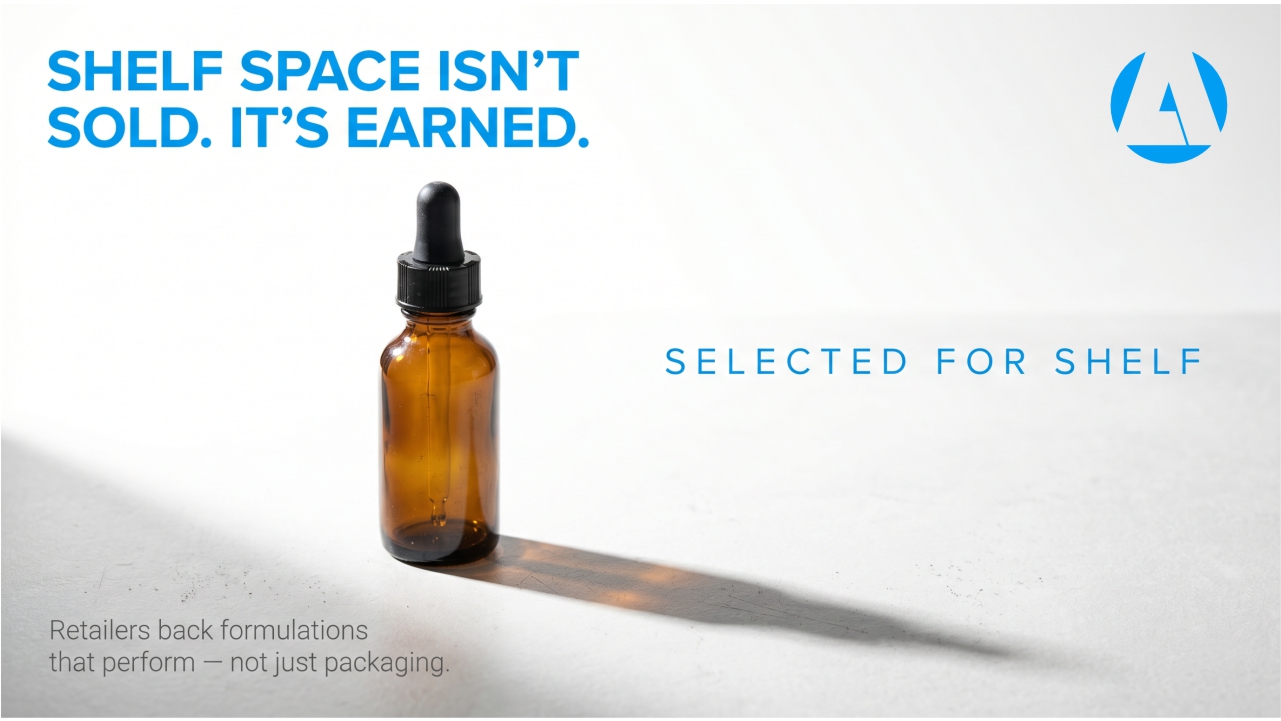
Why Some Products Get Top-Shelf Space in Stores (And What It Means for Your Brand)
Walk down any aisle at D-Mart or a similar retail chain and you'll notice something: some products sit right at eye level, practically asking to be picked up. Others are tucked away on the bottom shelf, requiring a bend and a squint to even read the label. This isn't an accident. It's the result of deliberate decisions made long before a product ever reaches the shelf.
For brand owners, understanding this system matters. Shelf placement can influence sales as much as the product formulation itself.
Why Shelf Position Matters
Retail space is limited, and every inch of a shelf carries a cost. Retailers organize products using a practice called planogramming — a mapped-out layout that decides exactly where each product sits, based on category, size, and expected sales performance.
Placement is not just about looks. It directly affects how likely a shopper is to notice, pick up, and buy a product. Industry research on consumer behavior consistently shows that products placed at eye level see meaningfully higher pickup rates than those on lower or higher shelves, simply because they require the least physical and visual effort to notice.
The Science Behind Shelf Zones
Retail shelves are generally divided into a few functional zones:
- Eye level (roughly chest to eye height): The most valuable real estate. Shoppers scan this area first and most often.
- Reach level (just above or below eye level): Still visible, still accessible, slightly less prime.
- Top shelf: Visible but harder to reach. Often used for premium, aspirational, or larger-format products.
- Bottom shelf: Requires bending down. Frequently used for bulk packs, value-tier products, or items with lower per-unit margins.
This layout isn't arbitrary — it's based on how people naturally move their eyes and hands while walking through a store.
How Brands Earn (or Buy) Better Placement
There are a few common reasons a product ends up in a prime spot:
Slotting arrangements. In many retail environments, brands negotiate directly with retailers or distributors for premium shelf space. This can involve promotional fees, guaranteed order volumes, or long-term supply agreements.
Sales performance. Retailers track which products move fastest. High-turnover items are often rewarded with better placement because they generate more revenue per square foot of shelf space, a metric retailers watch closely.
Category leadership. Established or high-recognition brands often get preferential placement because retailers expect them to perform reliably.
Packaging and shelf appeal. This is where formulation and design teams have real influence. A product's color contrast, label clarity, and structural design can make it stand out even from a lower shelf position. Retailers also notice which packaging photographs well or displays cleanly, which can factor into placement decisions.
Where Branding and Manufacturing Intersect
This is the part brand owners sometimes overlook: shelf placement isn't purely a retail negotiation. It starts much earlier, at the product development and manufacturing stage.
Packaging structure, label legibility, bottle shape, and even cap design all affect how a product performs on a shelf — regardless of whether it's positioned at eye level or not. A well-designed package can partially offset a less favorable shelf position by standing out visually or communicating value quickly.
This is also why formulation quality matters beyond the product itself. Consistent batch quality, stable packaging compatibility, and reliable supply ensure a brand can meet the volume commitments that often come with better retail placement. A brand that secures a prime shelf spot but can't maintain consistent stock or product quality risks losing that placement quickly.
Common Myths About Shelf Placement
Myth: Bottom shelf means a lower-quality product. Not necessarily. Bulk packs, refill sizes, and value-tier products are often placed lower simply due to size and margin structure, not quality.
Myth: Getting top-shelf space guarantees sales. Placement helps visibility, but it doesn't replace the need for a well-formulated, well-packaged product that meets consumer expectations.
Myth: Shelf placement is permanent. Retailers regularly reassess planograms based on sales data, seasonality, and category trends. Placement can and does shift over time.
Practical Tips for Brand Owners
- Invest in packaging design early — legible labels and clear value communication help regardless of shelf position.
- Track sell-through data where possible; strong performance is often the most sustainable way to earn better placement over time.
- Ensure manufacturing consistency, so that if better placement is offered, your supply chain can support the resulting demand.
- Don't assume premium placement alone will drive success — formulation quality and consumer trust still do the heavy lifting.
Frequently Asked Questions
Why are some products always at eye level in stores like D-Mart? Eye-level placement is typically reserved for high-turnover products, established brands, or items with negotiated slotting arrangements, since this zone gets the most shopper attention.
Do brands pay for better shelf placement? In many retail environments, yes — brands may pay slotting fees or commit to order volumes in exchange for preferred positioning, though this varies by retailer and category.
Can good packaging make up for a bad shelf position? It can help. Clear, well-designed packaging improves visibility and recognition even in less prime shelf zones, though it may help to a limited extent compared to eye-level placement.
Does shelf placement affect how a product should be manufactured? Indirectly, yes. Brands aiming for premium retail placement need manufacturing partners who can maintain consistent quality and volume, since retailers reassess placement based on sales performance.
Conclusion
That gap between the top shelf and the bottom shelf at D-Mart isn't random — it reflects a mix of retailer strategy, sales data, and brand investment. For product owners, the takeaway isn't just about negotiating for better shelf space. It's about building a product, from formulation to packaging, that can perform well no matter where it sits.
Looking to build a brand that stands out on the shelf and performs consistently once it's there? Acticon Life Sciences offers end-to-end product development and manufacturing solutions focused on quality, compliance, and packaging that supports your brand at every stage.